

Inflammation has a reputation problem. Most people associate it with something visible and acute a swollen ankle, a red infected cut, the heat in a joint after an injury. That kind of inflammation is healthy. It’s the immune system doing exactly what it should: rushing resources to a site of damage, neutralising threats, and initiating repair.
The inflammation that quietly destroys health looks nothing like that. You can’t see it or feel it directly. It produces no single dramatic symptom. It just persists a low-grade, systemic simmer running beneath the surface of daily life, slowly damaging tissues, disrupting hormones, and creating the biological conditions in which serious disease takes hold.
Researchers now believe chronic inflammation is a central driver not just a byproduct of some of the most prevalent conditions in modern medicine.
What Keeps Inflammation Switched On
Acute inflammation is designed to be temporary. The immune system activates, does its job, and stands down. Chronic inflammation happens when that stand-down signal never comes when the immune system stays partially activated for months or years at a time.
The triggers are largely modern. Chronic stress keeps cortisol elevated, which eventually desensitises immune cells to their own regulatory signals. Diets high in processed foods, refined sugar, and industrial seed oils flood the body with pro-inflammatory compounds. Gut damage driven by stress, poor diet, and environmental toxins allows bacterial fragments into the bloodstream, triggering ongoing immune activation. Poor sleep impairs the body’s overnight inflammatory regulation. Sedentary behaviour reduces the anti-inflammatory effect of regular movement.
None of these are dramatic in isolation. Together, sustained over years, they create a biological environment where inflammation becomes the default state rather than the exception.
The Diseases It Drives
The research connecting chronic inflammation to disease is now extensive and difficult to dismiss.
Cardiovascular disease still the world’s leading cause of death was long understood primarily as a plumbing problem: too much cholesterol blocking the arteries. The current picture is considerably more complex. Inflammation is now understood to be the mechanism that makes arterial plaques unstable and dangerous. It’s not just that the plaque exists it’s that chronic inflammation causes it to rupture, triggering heart attacks and strokes.
Type 2 diabetes has a similarly inflammatory story. Chronic inflammation interferes with insulin receptor signalling, driving insulin resistance long before blood sugar levels become clinically problematic. Inflammatory markers like C-reactive protein are now recognised as early indicators of metabolic disease.
Autoimmune conditions rheumatoid arthritis, lupus, Hashimoto’s thyroiditis, inflammatory bowel disease are fundamentally disorders of inflammatory regulation. The immune system, chronically activated and dysregulated, begins targeting the body’s own tissues.
Depression and anxiety have strong inflammatory components that are only beginning to be fully understood. Multiple studies have found elevated inflammatory markers in people with major depression, and anti-inflammatory interventions dietary, lifestyle, and herbal have shown meaningful effects on mood in clinical trials.
Even certain cancers are linked to chronic inflammatory environments that promote abnormal cell growth and impair the immune surveillance that would ordinarily catch and destroy them.
What Actually Helps
Reducing chronic inflammation requires addressing its sources not just its symptoms. That means prioritising sleep, managing stress, reducing processed food consumption, and supporting gut integrity. These aren’t optional lifestyle extras. They’re the foundation.
Herbal medicine offers meaningful support within that foundation.
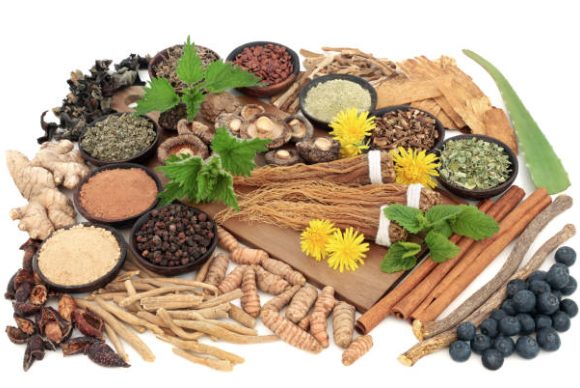
Turmeric through curcumin is one of the most studied natural anti-inflammatory compounds in existence, targeting the NF-kB pathway that acts as a master switch for inflammatory signalling.
Ginger provides complementary anti-inflammatory activity and directly supports gut lining integrity.
Ashwagandha addresses the stress-driven hormonal disruption that keeps inflammation elevated.
Cayenne pepper improves circulation and helps modulate pain signalling in inflamed tissues.
Used consistently and alongside genuine lifestyle change, these herbs help shift the body away from its inflammatory default not overnight, but steadily and meaningfully.
Chronic inflammation rarely announces itself. It just quietly narrows your options until the disease it enabled does that for it.
The earlier you address it, the more reversible the damage.
At Live with Green Essence, our herbal formulations are built around this understanding. Explore our range and start supporting your body at the level where it matters most.

Add comment