
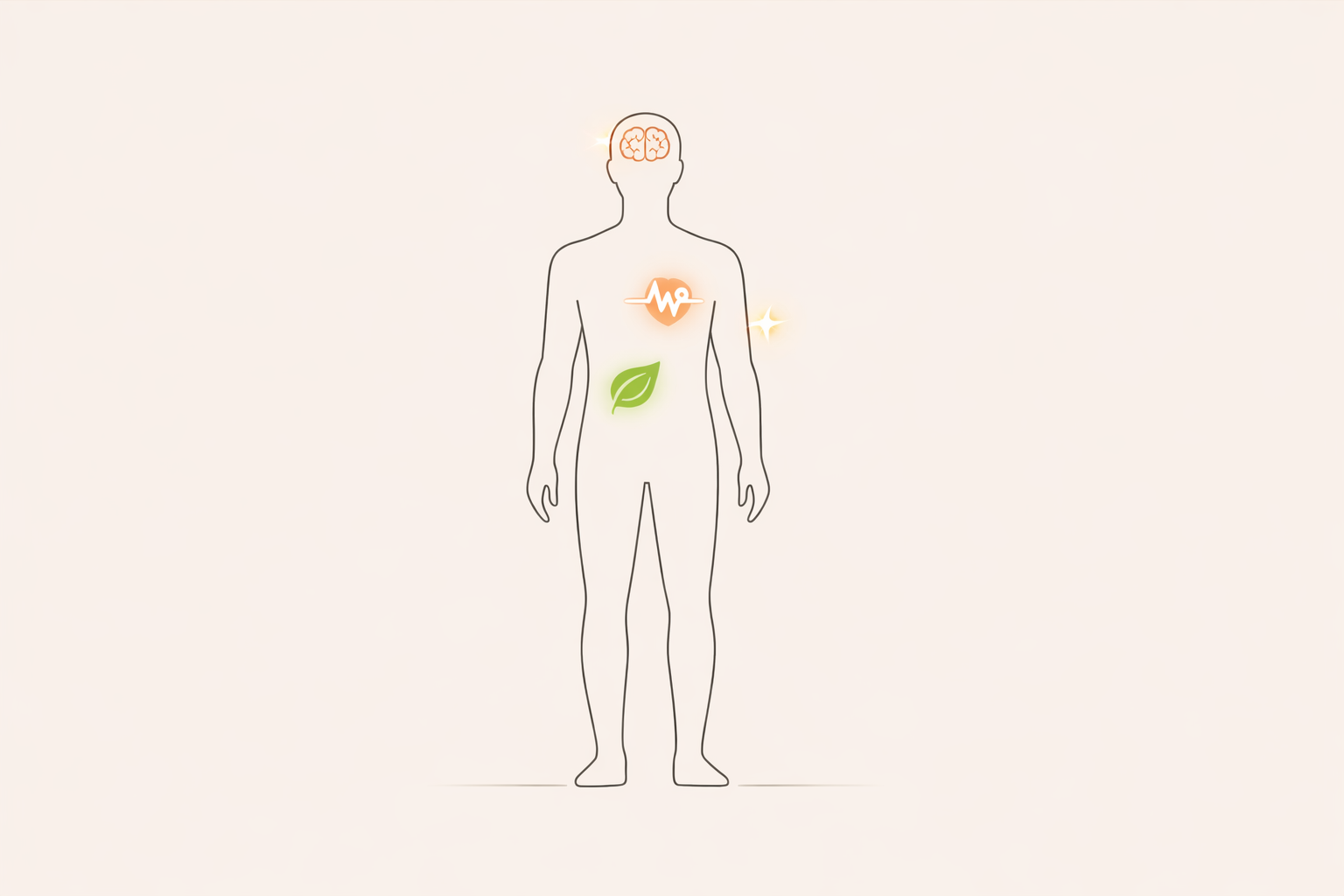
Stress has become so embedded in daily life that most of us have stopped recognising it as something unusual. We just push through the racing heart, the tight neck, the sleepless nights, the skin that keeps breaking out. We assume that’s just what life feels like now.
But your body doesn’t stay silent about stress. It speaks through symptoms, many of which we’ve been conditioned to dismiss, medicate, or white-knuckle our way past. The truth is, chronic stress is one of the most underestimated drivers of physical illness and the signs it leaves behind are often hiding in plain sight.
At Live with Green Essence, we’ve worked with hundreds of people who came to us with seemingly unrelated complaints; fatigue, digestive problems, skin flares, anxiety, chronic pain only to discover that stress was the common thread beneath all of it. And time and again, we’ve seen how the right herbal support can shift the body back toward balance.
Below are seven of the most telling signs that your body is operating under chronic stress, what science and traditional medicine say about each one, and the herbs best positioned to help you recover.

1: You’re Exhausted No Matter How Much You Sleep
There’s ordinary tiredness, the kind that melts away after a good night’s rest, and then there’s the kind of fatigue that greets you when you open your eyes in the morning. If you’re sleeping seven or eight hours and still waking up feeling like you haven’t slept at all, chronic stress is likely involved.
This type of fatigue is driven by what researchers call HPA axis dysregulation, a disruption in the communication loop between the hypothalamus, pituitary gland, and adrenal glands that controls your cortisol response. Under chronic stress, this system gets stuck in overdrive. Cortisol, your primary stress hormone, either spikes too high or, after prolonged stress, crashes too low, leaving you depleted regardless of rest.
What people say about it:
“I was sleeping nine hours a night and still dragging myself to work. I thought I was just lazy or burning out. When I started taking ashwagandha and ginseng, within three weeks I could actually feel the difference in the mornings. It was like someone had quietly turned the lights back on.” – Funmilayo, 38
The research:
A 2012 double-blind, placebo-controlled study published in the Indian Journal of Psychological Medicine found that ashwagandha root extract significantly improved fatigue scores, stress hormone levels, and overall wellbeing in chronically stressed adults over 60 days. Participants reported not just more energy, but better resilience to daily stressors.
Herbs that help:
- Ashwagandha (Withania somnifera) – An adaptogen that helps regulate the HPA axis, lower cortisol, and restore the body’s stress response to a healthier baseline. Particularly effective for fatigue rooted in adrenal exhaustion.
- Ginseng (Panax ginseng) – One of the most studied adaptogens in the world, with strong evidence supporting its ability to enhance energy, mental clarity, and physical endurance. Works best taken consistently over several weeks.
- Turmeric – While better known as an anti-inflammatory, turmeric also supports mitochondrial function, the cellular machinery responsible for energy production making it a quiet but meaningful ally against fatigue.

2: Your Gut Is Constantly Off
Bloating. Acid reflux. Constipation one week, loose stools the next. An inexplicable stomach ache before every stressful meeting. If your digestive system feels unpredictable and nothing you eat seems to fully agree with you, stress is almost certainly part of the picture.
The gut-brain axis is a bidirectional communication highway between the nervous system and the digestive tract. When you’re under stress, the brain redirects resources away from digestion, slowing motility, disrupting stomach acid production, and altering the composition of gut bacteria. Research has shown that chronic stress can literally change the microbial landscape of the gut, weakening its lining and setting the stage for conditions like IBS, gastritis, and leaky gut.
What people say about it:
“I had been dealing with bloating and acid reflux for two years. Doctors ran every test and found nothing. A friend suggested I try ginger and turmeric tinctures alongside some dietary changes. The difference was gradual but real within a month, the reflux had settled significantly and I stopped dreading meals.” – Michael, 44
The research:
A 2015 review in Evidence-Based Complementary and Alternative Medicine examined ginger’s effects on gastrointestinal function and found consistent evidence supporting its role in reducing nausea, improving gastric emptying, and calming gut inflammation. Separately, turmeric’s active compound curcumin has been shown in multiple trials to reduce symptoms of irritable bowel syndrome and support the gut lining.
Herbs that help:
- Ginger — Soothes nausea, improves gastric motility, and reduces gut inflammation. Particularly useful for the kind of nervous stomach that flares under pressure.
- Turmeric — Supports healthy inflammation balance in the gut lining, making it valuable for gastritis, reflux, and inflammatory bowel conditions.
- Cinnamon — Helps regulate blood sugar (erratic blood sugar is a significant but underappreciated digestive disruptor) and supports overall gut comfort.
- Cloves — Traditionally used for stomach spasms, gas, and abdominal discomfort. Their antimicrobial properties also support a healthier gut microbiome.
- Black pepper — Enhances bioavailability of other herbs (especially turmeric) and supports nutrient absorption when the digestive system is sluggish.

3: Your Skin Keeps Breaking Out or Flaring Up
Eczema that worsens every time deadlines loom. Rashes that appear out of nowhere and take weeks to clear. Acne that doesn’t respond to anything topical. Skin that feels perpetually reactive, inflamed, or dull. These are the kinds of symptoms that can feel deeply frustrating, especially when every cream and product fails to address the underlying cause.
The skin is often the body’s overflow valve, when internal systems are under pressure, the skin picks up the slack. Cortisol directly stimulates sebum production and suppresses immune function in the skin. It also increases gut permeability, allowing inflammatory compounds to enter the bloodstream and show up on the face and body. In short, stressed skin is almost always an inside job.
What people say about it:
“I had eczema on my arms for three years. Steroid creams would clear it temporarily, but it always came back. I started using soursop leaf tincture and turmeric capsules after reading about their anti-inflammatory properties. Within six weeks, my skin had cleared more than it had in years and it stayed clear.” – Amara, 29
The research:
Research on soursop (Annona muricata) leaves has identified significant antioxidant, anti-inflammatory, and antimicrobial activity in lab and animal studies. While large-scale human clinical trials are still emerging, traditional use across West Africa, the Caribbean, and South America has long relied on soursop leaves for skin conditions. A 2016 study in the Asian Pacific Journal of Tropical Biomedicine documented its potent bioactive compounds and anti-inflammatory potential.
Cassia alata — a plant used widely in traditional African and Asian medicine has demonstrated antifungal and anti-inflammatory activity in multiple in vitro studies, supporting its traditional use for skin infections and inflammatory skin conditions.
Herbs that help:
- Soursop leaves — Rich in acetogenins and antioxidants that help calm immune overreaction and reduce skin inflammation from the inside.
- Cassia alata — Traditionally used for ringworm, eczema, and fungal skin conditions, with emerging science validating its antifungal and anti-inflammatory properties.
- Turmeric — Curcumin has well-documented effects on skin inflammation, wound healing, and conditions like psoriasis. Its antioxidant activity helps protect skin cells from stress-induced damage.
- Ginger — Supports circulation and helps clear inflammatory compounds from the bloodstream, benefiting the skin indirectly but meaningfully.

4: You Can’t Switch Your Mind Off
Lying in bed, mind running through tomorrow’s problems. A conversation you had three days ago that you keep replaying. The inability to sit quietly without reaching for your phone. Anxiety that feels like a low-level hum that never fully goes away. If your nervous system feels permanently switched on, stress has likely recalibrated your brain’s default setting toward alertness.
Under chronic stress, the amygdala, the brain’s threat-detection centre, becomes hyperactive and oversensitive. Meanwhile, the prefrontal cortex, which handles rational thought and emotional regulation, becomes less effective. The result is a brain that keeps scanning for danger, even when the immediate threat has passed. Over time, this becomes the nervous system’s new normal, making it increasingly difficult to wind down.
What people say about it:
“I’d been anxious my whole adult life but it had gotten worse after a particularly hard year at work. I couldn’t sleep, I couldn’t relax, and I was irritable with everyone around me. A naturopath suggested I try ashwagandha and a ginger-cinnamon tea routine before bed. I was skeptical but desperate. Three months in, the anxiety hadn’t disappeared, but it had softened. I felt like I had breathing room again.” – Kolade, 35
The research:
Ashwagandha has arguably the strongest body of evidence of any adaptogen for anxiety. A 2019 randomised controlled trial published in Medicine found that 240mg of standardised ashwagandha extract daily produced a statistically significant reduction in anxiety, cortisol levels, and perceived stress scores compared to placebo after 60 days. Importantly, the study noted no serious adverse effects.
Ginseng has also been studied for its effects on cognitive performance and mood under stress, with a 2010 review in Nutrients concluding that Panax ginseng can meaningfully reduce mental fatigue and improve calm alertness.
Herbs that help:
- Ashwagandha — The most clinically supported adaptogen for anxiety and nervous system regulation. Helps lower cortisol and recalibrate the HPA axis over time.
- Ginseng — Supports mental clarity, reduces cognitive fatigue, and helps the nervous system maintain calm performance under pressure.
- Cinnamon — While less studied for anxiety specifically, cinnamon’s ability to stabilise blood sugar has a meaningful secondary effect on mood and anxiety, since blood sugar crashes are a common but overlooked anxiety trigger.

5: You Have Recurring Headaches or Persistent Neck Tension
Tension headaches that appear like clockwork on stressful days. A neck that feels perpetually locked up. A tightness across the shoulders that never fully releases, no matter how much you stretch. These are classic physical manifestations of stress that most people dismiss as purely mechanical, something to fix with a massage or a painkiller when in fact the root cause is neurological and hormonal.
Stress triggers sustained muscle contraction, particularly in the neck, shoulders, and jaw. The areas most associated with the body’s fight-or-flight bracing response. Simultaneously, elevated cortisol reduces the body’s natural pain-dampening capacity, making existing tension feel sharper and more disabling. Inflammation in the blood vessels of the head, driven partly by stress, is also now recognised as a key mechanism behind chronic tension headaches.
What people say about it:
“I had a headache nearly every day for two years. I was taking ibuprofen so often I started to worry about the long-term effects. I began using cayenne pepper and turmeric together — one for circulation, one for inflammation. I also changed some things about my routine. The headaches didn’t stop completely but they dropped from daily to maybe once or twice a week. That was life-changing for me.” – Ngozi, 41
The research:
Turmeric’s effect on inflammation is among the most thoroughly researched areas in herbal medicine. Over 3,000 peer-reviewed studies have investigated curcumin’s anti-inflammatory mechanisms, many of which are directly relevant to the vascular and neurological pathways involved in chronic headaches.
Cayenne pepper contains capsaicin, which has been studied for its ability to reduce substance P, a neuropeptide involved in pain signal transmission. Topical capsaicin is already a mainstream treatment for several types of chronic pain, and its internal use for circulation and inflammation has centuries of traditional support.
Herbs that help:
- Turmeric — Targets the inflammatory pathways associated with chronic headaches and nerve-related pain. Most effective when taken consistently rather than as an acute remedy.
- Cayenne pepper — Improves peripheral circulation (reducing the vascular constriction that contributes to tension headaches) and modulates pain signalling through capsaicin.
- Ginger — Contains gingerols and shogaols with anti-inflammatory activity comparable in some studies to certain NSAIDs, without the gastrointestinal side effects.
- Ashwagandha — Addresses the stress-driven hormonal imbalance that makes the nervous system hypersensitive to pain in the first place.
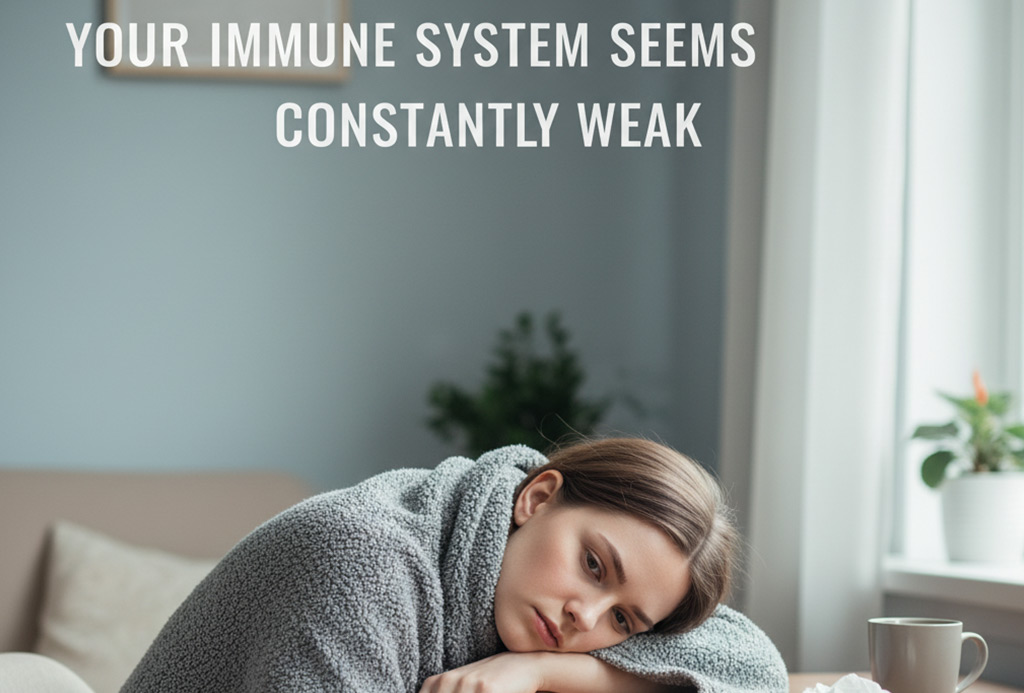
6: Your Immune System Seems Constantly Weak
Every cold that goes around, you get it. Infections that take twice as long to clear as they should. Wounds that heal slowly. That vague, low-grade sense of being “run down” that never fully lifts. If you find yourself falling ill more often than the people around you, chronic stress may be systematically undermining your immune function.
The relationship between stress and immune suppression is one of the most well-documented in modern medicine. Cortisol, in short bursts, is actually useful. It temporarily suppresses inflammation to keep the acute stress response focused and efficient. But under chronic stress, this sustained cortisol elevation becomes destructive, suppressing the production and activity of immune cells, reducing the effectiveness of vaccines and antibodies, and increasing vulnerability to viral and bacterial infections.
What people say about it:
“After a year of intense work stress, I was catching every virus going around. My GP found nothing clinically wrong but acknowledged my immune system seemed depleted. I started taking soursop leaf and turmeric daily. I also started sleeping more deliberately. The combination seemed to work, I had the healthiest winter I’d had in years.” – Taiwo, 47
The research:
A foundational 2004 review in Psychological Bulletin drawing on 300 studies spanning 30 years, confirmed that chronic stress suppresses both cellular and humoral immunity, with the most severe effects seen in people experiencing long-term, unresolved stressors. The authors specifically identified older adults and those with existing health challenges as most vulnerable.
Ginger and turmeric have both demonstrated immunomodulatory activity in clinical research meaning they help regulate rather than simply stimulate the immune response, which is important since immune overactivation (as seen in autoimmune conditions) can be as problematic as suppression.
Herbs that help:
- Turmeric — Curcumin modulates key immune signalling pathways including NF-kB, reducing the chronic low-grade inflammation that exhausts immune resources.
- Ginger — Supports healthy immune activity through its antioxidant and anti-inflammatory compounds, while also reducing the gut inflammation that weakens the body’s first line of immune defence.
- Soursop leaves — Traditional use for immune support is supported by research identifying potent antioxidant and anti-inflammatory compounds in soursop leaf extracts.
- Ashwagandha — Has demonstrated the ability to increase natural killer cell activity and modulate immune function in several clinical studies, particularly in immunosuppressed or chronically stressed individuals.

7: Your Sleep Is Broken, Light, or Unrefreshing
Waking at 3am with a racing mind. Sleeping lightly and startling at every sound. Vivid, unsettling dreams. Struggling to fall asleep even when you’re exhausted. Or sleeping the full night and still waking unrefreshed. Sleep disruption is both a symptom of chronic stress and a cause of it a cruel cycle where poor sleep elevates cortisol, which further disrupts sleep.
Stress interferes with sleep through multiple pathways. Elevated evening cortisol delays the rise of melatonin. Nervous system hyperactivation keeps the body in a state of physiological arousal that is incompatible with deep sleep. And the anxiety and rumination that accompany stress hijack the mental transition into sleep that the brain needs to do its restorative work.
What people say about it:
“I hadn’t slept properly in months. I’d fall asleep okay but wake between 2 and 4am completely alert and unable to go back to sleep. It was destroying my concentration and my mood. I started taking ashwagandha in the evenings and drinking ginger and cinnamon tea before bed as part of a wind-down routine. It took about three weeks to see a real shift, but I started staying asleep through the night again.” — Adaeze, 33
The research:
A 2020 double-blind randomised controlled trial published in Sleep Medicine found that ashwagandha root extract produced significant improvements in sleep quality, sleep onset latency (how long it takes to fall asleep), and morning alertness in adults with self-reported sleep problems. The authors attributed the effects to ashwagandha’s capacity to reduce physiological arousal and lower cortisol levels in the evening.
Cinnamon’s blood sugar-stabilising properties are also relevant here: nocturnal hypoglycaemia (a blood sugar dip in the night) is a surprisingly common cause of 3am waking that often goes unrecognised.
Herbs that help:
- Ashwagandha — The most evidence-backed herbal intervention for stress-related sleep disruption. Best taken in the evening to support cortisol reduction and relaxation.
- Ginger — Its warming, anti-inflammatory properties support circulation and calm the nervous system, particularly helpful as part of an evening wind-down routine.
- Cinnamon — Stabilises blood sugar overnight, reducing the likelihood of cortisol-spiking nocturnal hypoglycaemia that wakes people in the early hours.
- Cloves — Traditionally used for their calming effect on the nervous system, with mild sedative properties suited to evening use.

Your body is already working to heal itself.
At Live with Green Essence, our herbs are here to support that process.
Explore our full range of herbal tinctures and supplements rooted in traditional wisdom, supported by modern research.
www.livewithgreenessence.com

Add comment