
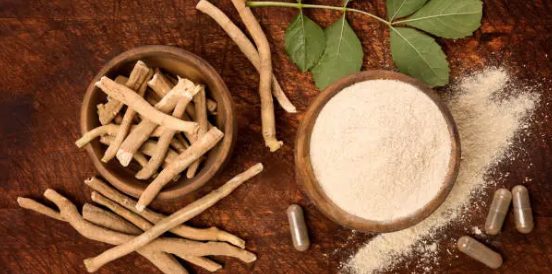
Ashwagandha vs Maca: Which Herb Boosts Energy and Supports Hormones Better?
A no-nonsense comparison from Live with Green Essence
Ashwagandha and maca are two of the most talked-about herbs in the wellness world, especially when it comes to energy and hormones. If you’ve ever wondered whether they’re interchangeable, whether you need both, or which one is actually “better,” you’re not alone.
The truth? They’re not really in competition. They work in completely different ways, suit different people, and the one that’s right for you depends on what your body actually needs right now. Here’s the scoop.
Ashwagandha: The Stress-Buster
Ashwagandha is what herbalists call an adaptogen. That means its main job is to help your body handle stress. It does this by supporting the HPA axis the part of your body that controls cortisol, the stress hormone.
When stress sticks around too long, cortisol stays elevated, which can leave you feeling drained, anxious, sleepless, and even mess with your hormones. Ashwagandha helps bring cortisol back down, quietly and steadily.
Science backs this up. A well-known study in the Indian Journal of Psychological Medicine found that adults taking ashwagandha for 60 days had lower cortisol, felt less stressed, slept better, and had more energy than those taking a placebo. Other studies show it can support testosterone in stressed men, help thyroid function, and even ease stress-related menstrual irregularities in women.
The takeaway: if your fatigue and hormone issues are stress-related and for most of us, they usually are, ashwagandha is usually the go-to.
Maca: The Hormone Nourisher
Maca comes from the high Andes of Peru and works very differently. It doesn’t touch your stress hormones. Instead, it nourishes the endocrine system, helping your body naturally balance estrogen, progesterone, testosterone, and even libido.
It’s not a hormone itself think of it more as a nutrient-rich boost that gives your body what it needs to produce its own hormones effectively.
Research shows maca consistently supports libido, sexual function, and stamina. For example, a 2002 study in the Asian Journal of Andrology found men who took maca for eight weeks experienced meaningful improvements in sexual desire. Studies with women going through menopause have shown fewer hot flashes and better moods. Athletes also report better endurance which may be more about its nutrition than hormones directly.
Which One Should You Choose?
Here’s a simple way to decide:
If stress is zapping your energy: wired but tired, anxious, struggling to sleep, and feeling hormonally off start with ashwagandha.
If your energy or hormone concerns are more about physical depletion, low libido, perimenopause, or simply wanting a vitality boost: go with maca.
Many people take both, and that’s totally safe. They actually complement each other: one calms stress, the other nourishes your hormones.
The Bottom Line
Neither herb is “better” for everyone. Ashwagandha shines when stress is the problem. Maca shines when you want hormonal support, libido, or stamina. Both have strong research behind them and centuries of traditional use.
The best choice is the one that fits what your body is asking for today.
At Live with Green Essence, we offer high-quality tinctures and supplements for both. Not sure where to start? Reach out and we’ll help you figure out what your body really needs.
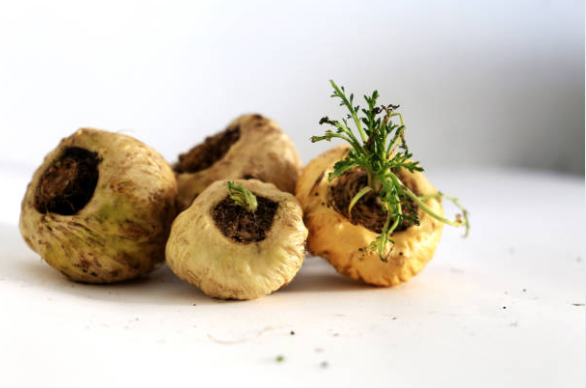
Maca, also known as Peruvian Ginseng
Maca root, grown in the high altitudes of the Peruvian Andes.
Research on maca for libido and sexual function is among the most consistent findings in the herbal literature. A 2002 study in Asian Journal of Andrology found meaningful improvements in sexual desire in healthy men after eight weeks of maca supplementation.
Ashwagandha
Ashwagandha is an adaptogen, meaning its primary job is to help the body manage and recover from stress.
When you’re chronically stressed, cortisol stays elevated for too long, and that single hormonal disruption cascades into fatigue, poor sleep, anxiety, low libido, and hormonal imbalance across the board.
Ashwagandha quietly and steadily brings that cortisol response back down to size.

Add comment